
NEWS & EVENTS, NEXT GEN EDUCATION
What We Leave Them to Fix
OCTOBER 9, 2026
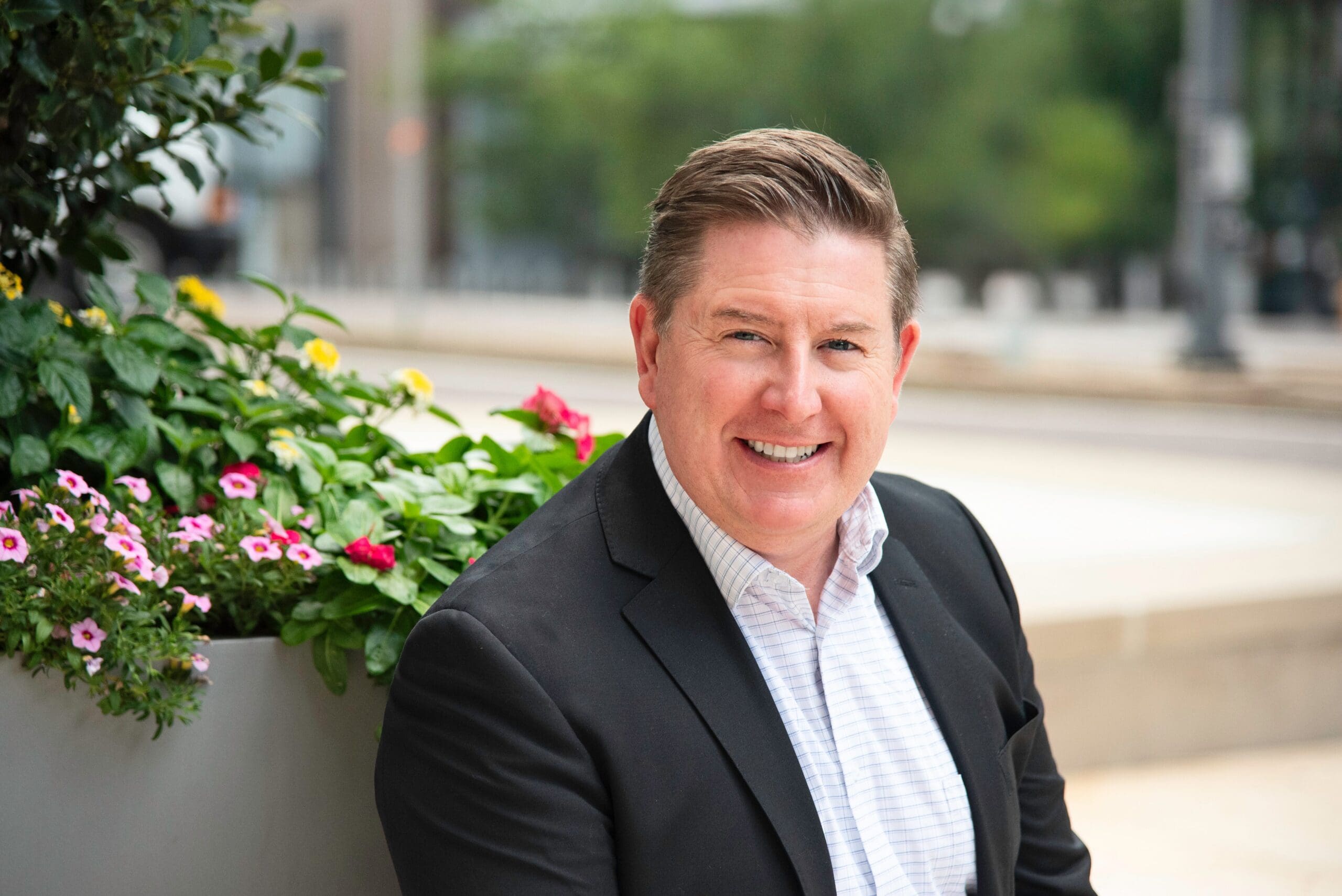


Around the same time every year, a sizable group of us from ArchBridge play hooky (for a few hours, at least) in order to participate in a local charter school’s “Buddy Morning”. It’s an opportunity to participate in a classroom activity while spending one-on-one time with a student. The school, City Academy, bills it as a way to “experience for yourself the transformation that is occurring in St. Louis because of City Academy’s mission.”
At a macro level, that’s a tall order best taken with a spoonful of marketing and fundraising sugar. But at the micro level, particularly if you’ve taken part in prior years and are paired with the same student, that purported transformation is distinctly not hype.
My buddy over the past several years, Drew1, is now a bubbly 2nd grader with an outsized demeanor and effervescent smile. He embodies the maxim “dynamite comes in small packages”, and I’m fairly certain his spirit animal is a mildly-caffeinated quokka. That’s mine, at least, and I recognize a lot of me in him. I think he knows we’re two peas in a pod despite the vast chasm between our respective ages, and I both marvel at and credit City Academy’s leadership team for their ability to match like-for-like. Out of 351 enrolled students, I seemingly secured a first-round draft pick.
The micro-level transformation from last year that I observed in Drew this morning was inspiring, to say the least. His cheerfulness hadn’t diminished, but there was a maturity in the way he sat next to me in music class, a newfound eagerness to share how he spends the day, and an awareness of his surroundings not always seen at 7-years-old (or, to be honest, at 27). Color me impressed: if Drew was a representation of the school in general—which of course he is—then it’s easier to believe in citywide transformation writ large.
Back in my 4th-grade teaching days I made a point of displaying over my desk a quote by anthropologist Margaret Mead: “Never doubt that a small group of thoughtful, committed citizens can change the world; indeed, it is the only thing that ever has.” I’m fairly certain that you’ll find that same quote displayed prominently in 75% of classrooms. In my case, it was meant to convey agency and possibility to 1o-year-old go-getters.
I’ve started to wonder, though, whether adults sometimes use words like these to place the burden of repair on the next generation. Mead’s quote doesn’t say that grown-ups are incapable of making things better; it says that people can. And if we believe children have the agency to change the world, we ought to take seriously our own agency to improve the one we’re handing them.
That thought follows me into conversations about wealth transfer. Families can spend years deciding how assets should pass from one generation to the next: who receives what, when, and under which terms. Those decisions matter. But even a carefully drafted plan can’t decide how a person will use an inheritance, what purpose they’ll find in it, or how they’ll respond to the responsibilities that come with it.
We can prepare for a transfer. And despite our best intentions and carefully-scripted trust language, we can’t choreograph the life that follows.
Sometimes “the grandkids will figure it out” is an expression of confidence. It can also become a way to avoid the harder work of preparing them, or of addressing the problems we already know they may inherit. Good intentions don’t guarantee an easy inheritance. A plan meant to protect can leave people confused about what they may do. A gift meant to help can arrive without the context or experience needed to manage it. And an assumption that everyone will know what the family values can leave the next generation to sort through years of unspoken expectations.
Preparation doesn’t mean scripting the future or preventing every mistake. It means giving the next generation chances to ask questions, practice making decisions, and understand the choices available to them before the stakes are (too) high. It means treating wealth as more than property to be distributed: it is also responsibility, opportunity, and a set of decisions someone will have to make. And it means asking not only, “What do we want them to receive?” but also, “What will they need in order to use it well?”
Perhaps that’s what I was trying to tell my fourth graders with the Mead quote, even if I didn’t yet understand it myself. The next generation may change the world. But they shouldn’t have to start by cleaning up every mess we could have prevented.
I don’t know what Drew will become, and it would be absurd to suggest that a few Buddy Mornings can tell me. What I do know is that seeing him again lets me notice growth I might otherwise have missed. The person he is becoming belongs to him. My small role is to show up, pay attention, and leave room for that becoming.
Families passing wealth forward might start there, too: with less confidence that the next generation will somehow figure everything out, and more attention to what we can help them understand before the handoff. We can’t know exactly what they’ll do with what we leave them, but we can pay close attention to what we leave them to do.
1 Not his real name.